
· by Michael Blair, Nashville's Masonry
Mortar is not glue that simply dries. It needs its water while it sets, and the National Park Service’s brief on repointing mortar joints puts the working range at wall temperatures between 40 and 95 degrees F, which it says keeps that water from freezing or evaporating too fast. Early fall in Middle Tennessee sits comfortably inside that range: mild days, cool nights, none of the August heat the brief warns about when it says to repoint in shade and slow the drying. Then it narrows. Nashville’s climate records from the National Weather Service put the normal low near 50 degrees in October, 39 in November and 33 in December, and the first freeze arrives on average around November 11, in some years not until late November. Knowing where that line sits helps you decide what to book now and what can wait.
How should fresh mortar be protected from the cold?
Freshly laid mortar is full of water, and the NPS brief’s advice for cold weather is short: warm the sand and water, and protect the completed work from freezing. We plan the first nights after laying around that. When we are called to a wall someone else built that froze before it set, we would sooner rake those joints out and do them again than leave them in and hope.
Cold that stays above freezing still counts. Metro Nashville builds to the 2024 International Building Code with local amendments, according to Metro Codes’ adopted codes list, and the federal guide specification for masonry, written to that same 2024 code and to the TMS 402/602 masonry standard, starts its cold-weather rules once the air drops below 40 degrees F. Those rules cover how the job is prepared, how the work is laid, and how the new masonry is protected afterward, so the line is 40 degrees, not 32.
What does a careful mason do when it turns cold?
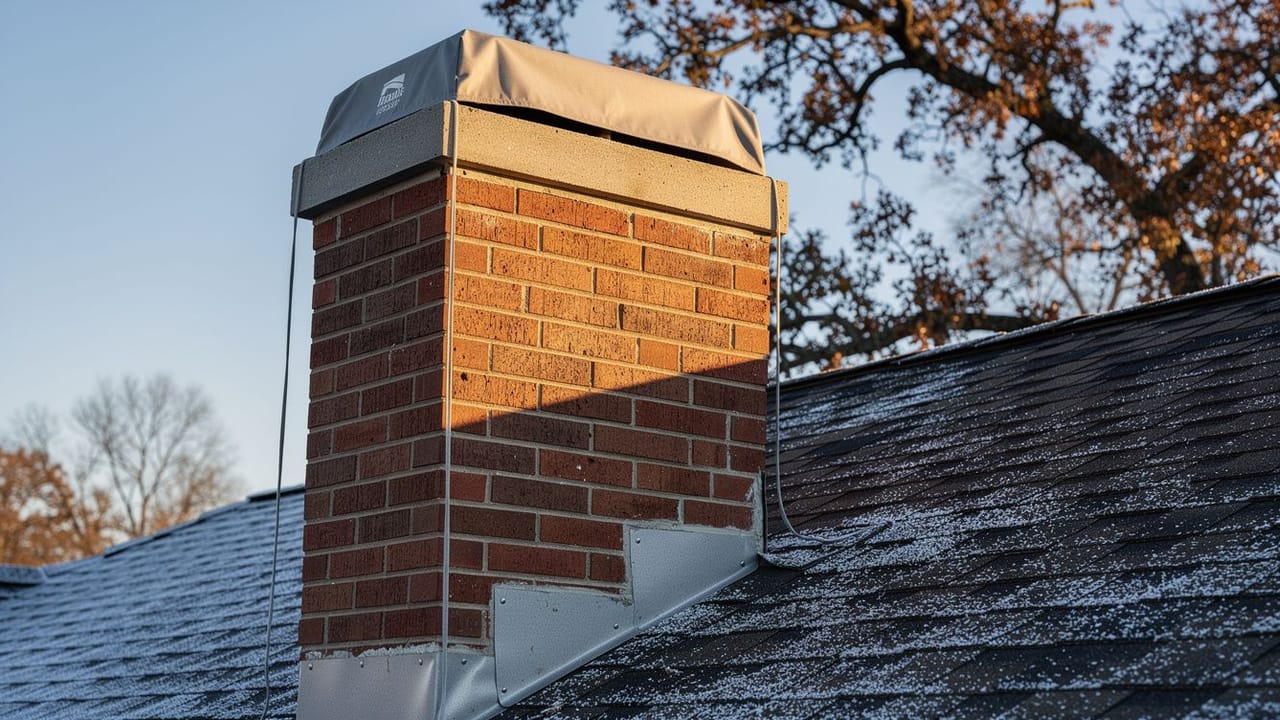
The same specification requires that the units being laid, and the surfaces they go onto, be free of frost and of any film of water, so brick with ice on it stays on the pallet. We keep sand and bagged material covered and off the ground, and on a cold morning the sand and water can be warmed so the mortar starts out warm, which is what the NPS brief recommends. Before we leave, new work gets covered. The specification asks for a nonstaining waterproof cover over the top of any wall exposed to rain or snow whenever work stops, reaching at least 2 feet down each side and held securely in place, and when a hard night follows a day of laying we put insulated blankets over that.
What a careful mason does not do is reach for antifreeze. The NPS brief says antifreeze compounds are not recommended: they do little in high-lime mortars and can bring in salts that come out later as the white bloom described in our post on efflorescence. Accelerators are a separate question. The federal specification allows one in cold weather only if it is non-chloride, made to ASTM C1384, and it names corrosion of embedded steel among the side effects admixtures can have, which matters in a wall full of steel ties, anchors and lintels. If a quote in December mentions an additive to beat the cold, ask what it is.
- No brick or block laid with frost or a film of water on it
- Mortar materials kept dry and covered, with sand and water warmed when needed
- New work covered before the crew leaves, with blankets on a hard night
- No antifreeze, and no accelerator with chloride in it
Lime mortar and historic brick
Repointing old soft brick with a lime-based mortar leaves fewer ways around the cold. Lime is used on that brick for a reason the NPS brief spells out: a mortar stronger than the brick will not give, so the stress goes into the brick itself and shows up as cracking and spalling. Lime hardens by carbonation, taking carbon dioxide from the air, and the brief says the process starts once the mortar is in the wall and carries on for many years. Dry it too fast and carbonation is reduced, which the brief says means poor adhesion and poor durability, so it calls for keeping the wall damp and covered with burlap for the first three days, with plastic tented out rather than laid against the brick. It also tells masons to protect the work from freezing, and antifreeze is no help with high-lime mortar.
That is why we schedule lime repointing for September and early October and pick it up again in spring. The brief says seasonal aspects need to be considered first when a repointing job is scheduled, and with the first freeze averaging mid-November and the normal November low already under 40, a lime job started late in October has little room for a cold night while it is new. If your house needs repointing on old brick and that window has passed, we usually advise waiting for spring over pushing into the cold.
What to do now and what can wait
Some things should not wait for spring. The NPS brief says the root cause of the damage, leaking roofs or gutters and extreme weather exposure among them, should always be dealt with before repointing begins, and on a house that usually means water getting in at the top. In the fall we look first at the chimney crown and cap, loose brick at the top of a chimney or a parapet, and any lintel that has rusted and lifted the brick above a garage door, because those are the openings we want closed before winter. Nashville averages 67 nights a year at or below freezing in the Weather Service records, 16 of them in December, and the brief notes that mortar for northern climates is made with air-entraining agents to help it resist freeze-thaw damage. Water held in brick through those cycles is how we see spalled brick faces and failed joints multiply. Those repairs, or at least a sound temporary cover, belong before the cold.
Cosmetic repointing on a sound wall, new garden walls, and decorative work can usually wait for a warmer season. When we look at a job this time of year, the question we ask is whether the problem gets worse over the winter. If it does, it gets done or protected now. If it does not, it waits for weather that lets the mortar cure properly. Ask us for a free estimate while the weather still leaves room to choose.
Sources
- National Park Service, Preservation Brief 2: Repointing Mortar Joints in Historic Masonry Buildings (1998) — Wall temperatures of 40 to 95 F; shade in hot weather; warm sand and water and protect from freezing; antifreeze not recommended for high-lime mortar; lime carbonation, burlap for three days; mortar softer than the brick; fix the cause first; air-entraining agents and freeze-thaw
- Unified Facilities Guide Specification UFGS-04 20 00, Masonry (May 2025) — Cold-weather requirements below 40 F per TMS 402/602; units free of frost and water film; covering wall tops 2 feet down each side; non-chloride accelerator to ASTM C1384; corrosion of embedded steel
- National Weather Service Nashville, Nashville climate — Normal lows for October, November and December; mean first freeze November 11, latest November 29; days at or below 32 F by month and per year
- Metro Nashville Codes, Adopted Codes List — Metro Nashville has adopted the 2024 International Building Code with local amendments
FAQ
Masonry Work as the Weather Turns Cold — questions
Can brick be laid in the winter in Tennessee?
Yes, with cold-weather procedures. The federal masonry guide specification sets rules for preparation, laying and protection once the air is below 40 degrees F: frost-free brick, covered work, and only non-chloride accelerators, while the National Park Service recommends warming the sand and water. About half of December nights in Nashville stay above freezing by the National Weather Service averages, but the nights after laying matter as much as the day itself.
What happens if new mortar freezes?
The guidance is about not letting it happen. The National Park Service says to protect new mortar from freezing and to warm the sand and water rather than rely on antifreeze, and the federal masonry specification requires protection for new masonry once the air drops below 40 degrees F. When we find joints that froze before they set, we rake them out and relay them rather than leave them in the wall.
Should I wait until spring to repoint my brick?
If the wall is sound and the work is mostly cosmetic, waiting for mild weather is sensible, and for lime mortar on older brick it is often the better choice, since the National Park Service puts the working range at wall temperatures between 40 and 95 degrees F. Anything letting water in, such as a failed chimney crown or open joints on a parapet, should be dealt with before winter.
What temperature is too cold to lay brick?
There is no single cutoff, but cold-weather procedures begin once the air falls below 40 degrees F under the federal masonry guide specification, and the National Park Service gives a repointing range of 40 to 95 degrees F at the wall. Under that line the brick must be free of frost, the sand and water warmed, and fresh work covered.